Effective Tips for Protecting Fasteners from Corrosion Damage
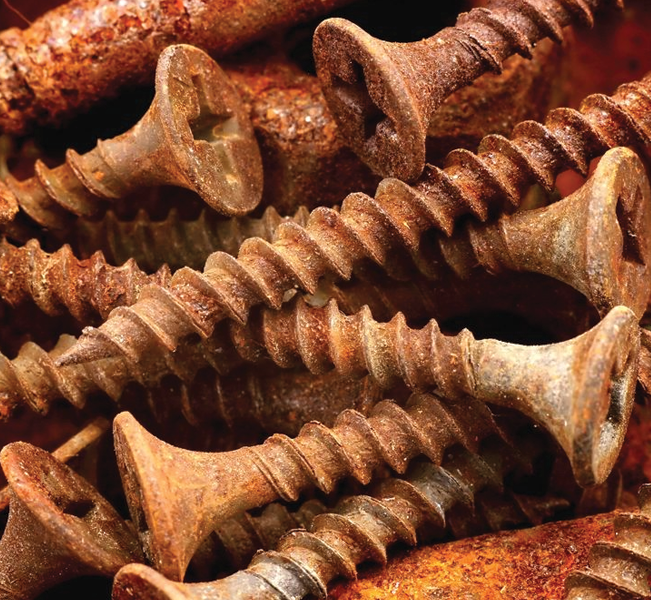
Fasteners are critical components in every structure, machine, and assembly. However, one of the most common challenges faced with them is corrosion. Corroded fasteners not only weaken structural integrity but also increase maintenance costs and safety risks. Preventing corrosion ensures long-lasting performance, durability, and reduced downtime.
Unmatched Quality in Every FastenerAll our hardware and fastener products are crafted with the highest standards of quality, designed to withstand durability, strength, and long-term performance. Engineered with precision and premium materials, they deliver reliability across demanding applications, ensuring every project stands strong with confidence and excellence.
Choose the Right Material
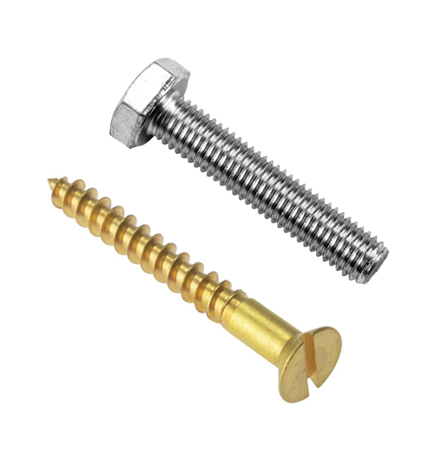
The first step in preventing corrosion is selecting the right material. Stainless steel, brass, and coated steel fasteners are excellent choices due to their resistance to rust. For marine or high-humidity environments, grades like stainless steel 316 offer superior protection. Using inferior metals can quickly lead to premature failure.
Protective Coatings and Plating
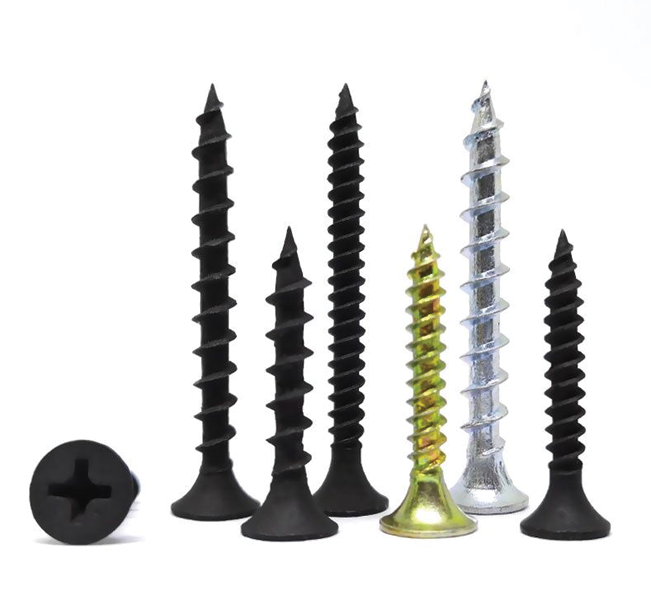
Applying protective coatings such as zinc plating, galvanization, or specialized polymer coatings significantly extends the lifespan of fasteners. These coatings act as a barrier, shielding the fastener from moisture, chemicals, and air exposure, thereby slowing down the oxidation process.
Environmental Considerations
Understanding the working environment is key to corrosion prevention. Fasteners used in coastal, chemical, or industrial areas require higher protection than those in indoor or dry settings. Choosing fasteners suited to the environment reduces the chances of rust formation and damage.
Regular Inspection and Maintenance
Even with the right material and coatings, regular inspections are essential. Checking fasteners for early signs of corrosion and replacing or treating affected ones ensures long-term safety. Applying lubricants or anti-seize compounds also reduces friction and prevents surface damage that may accelerate corrosion.
In conclusion, preventing fastener corrosion relies on material choice, protective coatings, environmental suitability, and proper maintenance. By investing in quality fasteners and adopting preventive measures, industries and users can ensure strength, safety, and long-lasting reliability in every application.
Recent Posts